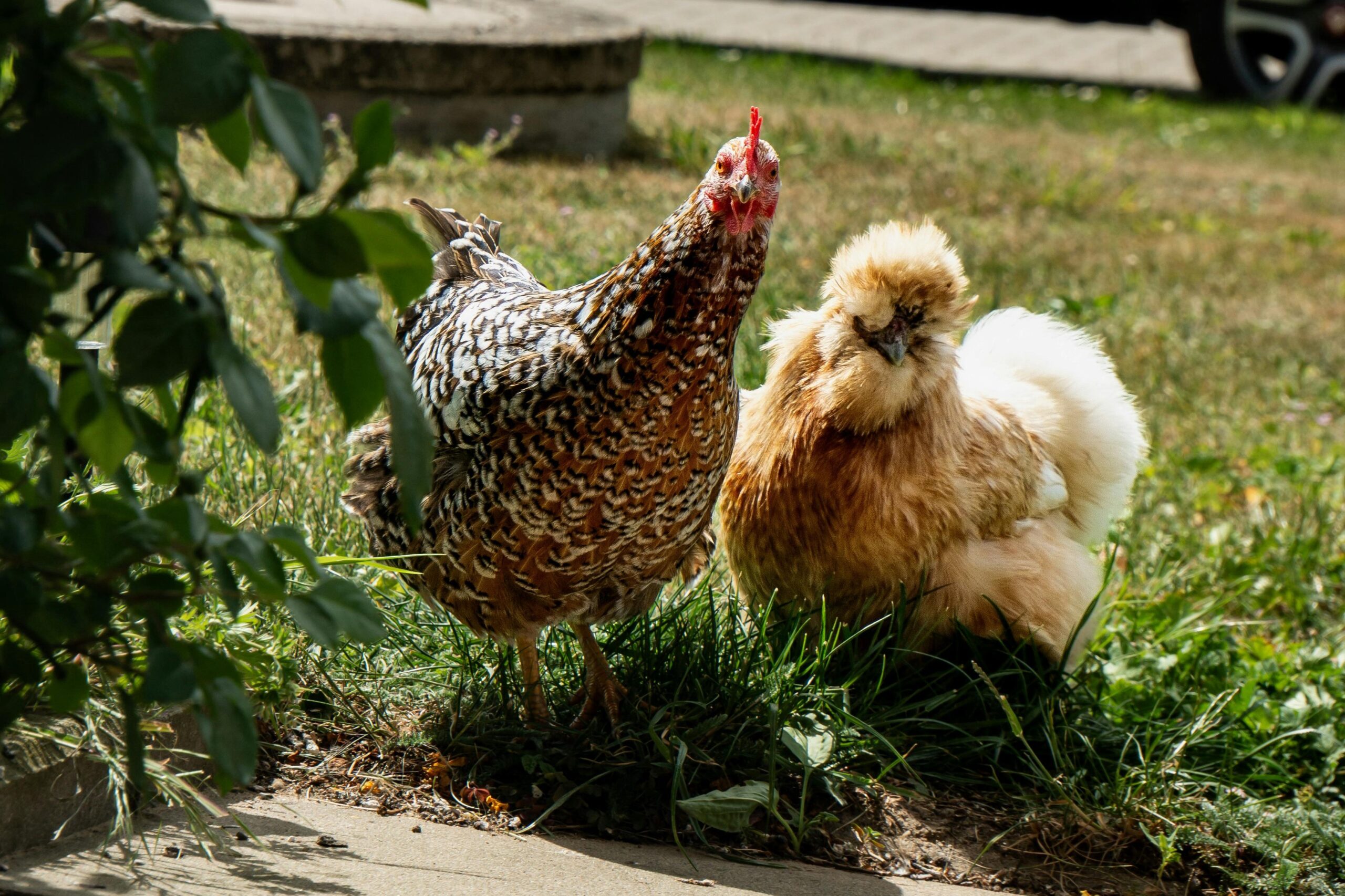
Keeping chickens in your backyard is rewarding, practical, and surprisingly manageable with a bit of planning. This guide covers the essentials: coop design, feeding, egg management, predator protection, and simple health checks so you can keep a happy, productive flock.
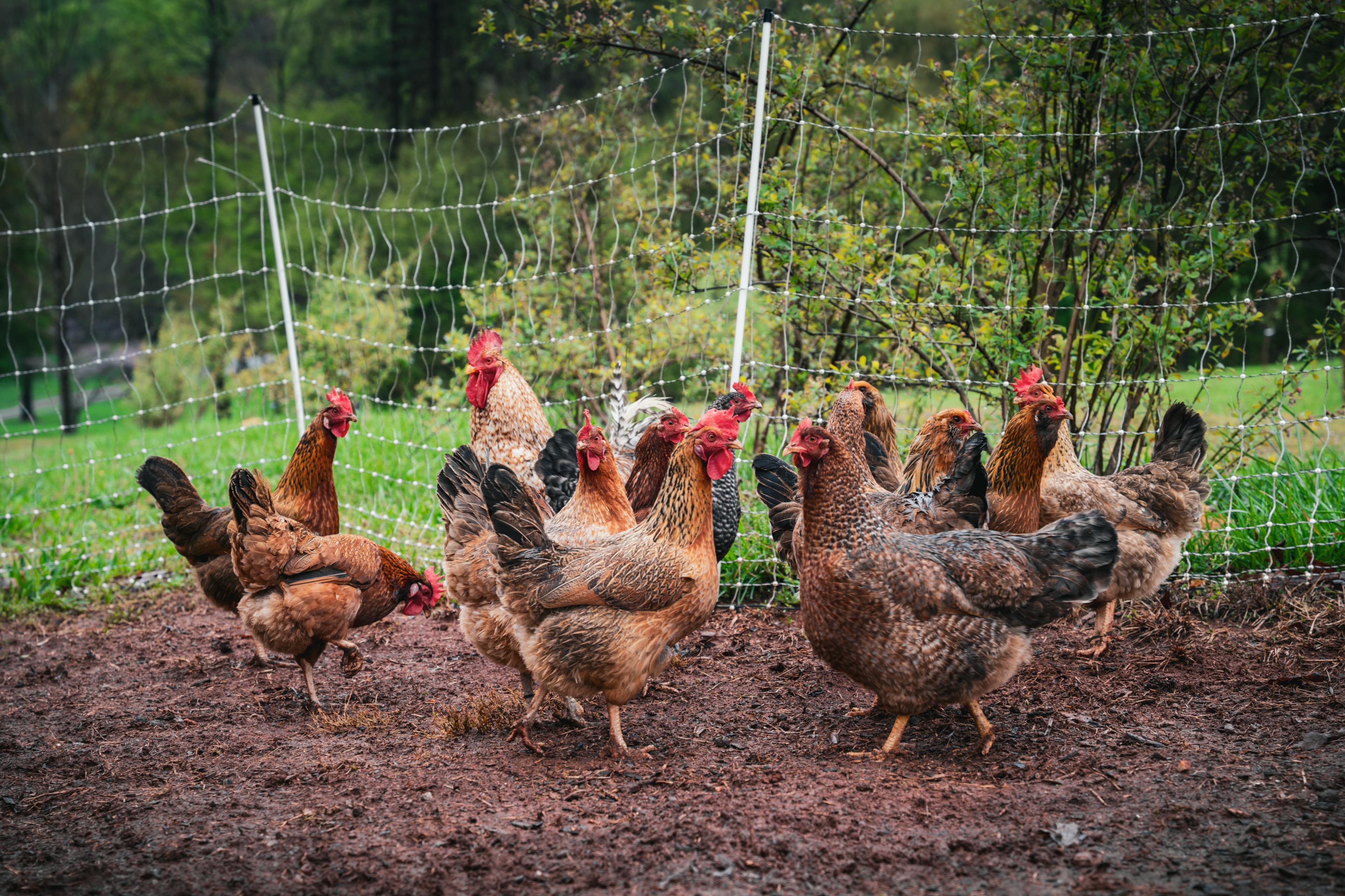
Coop Design: Comfort and Function
Your coop should provide shelter, ventilation, security, and easy access for cleaning. Key points:
- Size: Allow at least 2-4 square feet per bird inside the coop and 8-10 square feet per bird in an outdoor run. More space reduces stress and pecking.
- Roosts: Provide roosting bars higher than nesting boxes. Chickens prefer to sleep elevated; give 8-12 inches of roost space per bird.
- Nesting boxes: One box per 3-4 hens is usually sufficient. Keep boxes clean and lined with straw or wood shavings to encourage laying in the box.
- Ventilation: Good airflow prevents moisture buildup and respiratory issues. Place vents high on walls to let warm, damp air escape while avoiding drafts at chicken height.
- Easy cleaning: Use removable droppings trays or design for easy access so routine cleaning doesn’t become a chore.
Feeding: Balanced and Consistent
Nutrition is the foundation of health and egg production.
- Feed type: Layer feed (16% protein) supplies the nutrients hens need for steady egg production. For chicks, start with a starter or grower feed appropriate for their age.
- Grit and calcium: If hens free-range and eat whole grains or hard foods, offer grit to aid digestion. Provide a separate calcium source (crushed oyster shell) to laying hens to prevent soft-shelled eggs.
- Water: Fresh, clean water must be available at all times. Waterers should be checked twice daily in hot weather.
- Treats: Kitchen scraps and scratch grains are fine in moderation. Keep treats under 10% of their diet to avoid nutritional imbalance.
Egg Management: Collection and Storage
Collect eggs at least once or twice daily to reduce breakage, discourage broodiness, and keep eggs clean. Store unwashed eggs at cool room temperature for short-term use, or refrigerate if you prefer a longer shelf life. Wash eggs only when ready to use to preserve the natural protective bloom.
Predator Protection: Secure Your Flock
Predators are the biggest risk to backyard flocks. Protect them with layered defenses:
- Secure coop: Use hardware cloth (not chicken wire) around openings and under runs; bury it 12 inches into the ground to deter digging predators.
- Locks and latches: Predators like raccoons can manipulate basic latches. Use secure locks that humans can still operate easily.
- Night safety: Close chickens in the coop at dusk if you don’t have a predator-proof run. Automatic coop doors can help if you’re away.
- Lighting and deterrents: Motion-activated lights and removal of brush or food sources near the coop reduce hiding spots for predators.
Simple Health Checks: Catch Issues Early
Perform quick health checks weekly and observe daily behavior. What to watch for:
- Weight and appetite: A drop in appetite or weight loss may indicate illness or parasites.
- Feathers and skin: Bare patches, excessive feather loss, or mites (tiny moving specks) require prompt attention.
- Eyes and nostrils: Clear eyes and dry nostrils are signs of good health. Discharge or swelling needs investigation.
- Droppings: Normal droppings are firm with a white cap. Watery, discolored, or bloody droppings can signal disease.
- Behavior: Lethargy, isolation, or labored breathing are red flags. Keep a quarantine area ready for sick birds.
Daily, Weekly, Monthly Routines
- Daily: Check water, feed, eggs, and remove waste as needed.
- Weekly: Inspect for predators, top up bedding, clean feeders and waterers.
- Monthly: Do a deeper clean of the coop, check for parasites, and review your flock’s overall condition.
Starting with a well-designed coop, consistent feeding, careful egg handling, layered predator protection, and regular health checks will keep your backyard flock thriving. Begin small, learn as you go, and enjoy the benefits of fresh eggs and the charm chickens bring to a backyard garden.



Great overview! I appreciated the tip about not washing eggs until use — I always wondered about that.
Can you recommend specific dimensions for nesting boxes? I have 6 hens and want to build new boxes.
Thanks for the predator advice. Burying hardware cloth solved my fox problem after a neighbor lost birds last year.