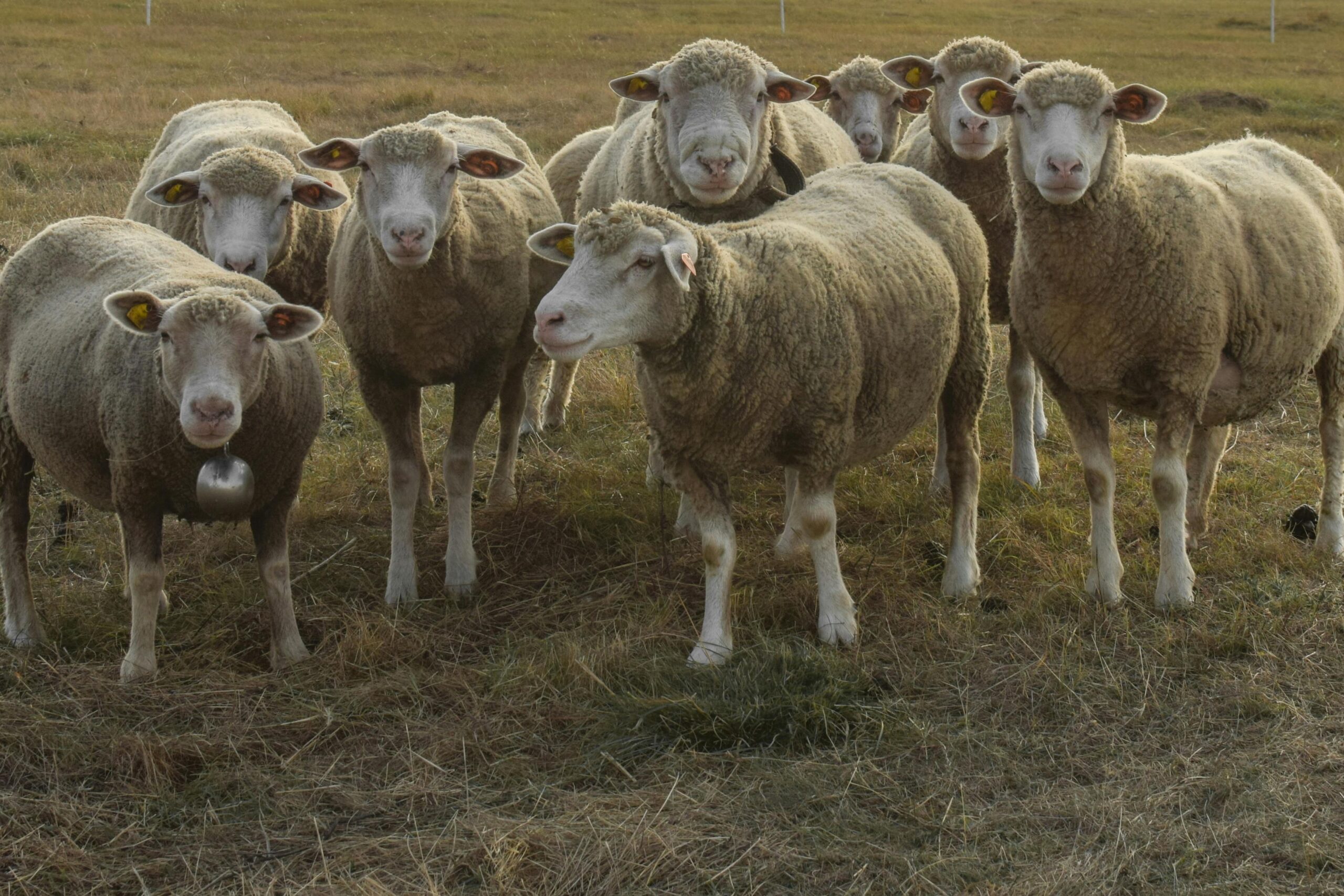
Producing high-quality fleece begins with good animal husbandry. Whether you run a small hobby flock or a commercial operation, attention to sheep care, breed selection, shearing technique, and pasture management all contribute to fine wool, consistent staple length, and reduced contamination. This post outlines practical steps and considerations to help you improve fleece quality from lambing to market.

Sheep Care: Health, Nutrition, and Daily Management
Healthy sheep produce better wool. Regular health checks, appropriate nutrition, and preventive care are essential.
- Nutrition: Match energy, protein, and mineral intake to life stage. Pregnant and lactating ewes need increased energy and protein; young lambs need high-quality forage or milk replacer when necessary. Trace minerals such as copper should be managed carefully depending on breed susceptibility.
- Body Condition Scoring (BCS): Use BCS to assess energy reserves. Aim for a consistent condition to avoid wool break or poor fleece growth due to under- or overfeeding.
- Vaccination & Parasite Control: Maintain a vaccination schedule for clostridial diseases and tetanus, and implement an integrated parasite management plan — rotate anthelmintic classes, use fecal egg counts, and incorporate grazing strategies to reduce worm pressure.
- Hoof Care & Shelter: Regular hoof trimming and clean bedding/shelter reduce lameness and infection risks. Protect sheep from extreme weather during vulnerable periods.
Breed Selection for Wool Quality
Choose breeds that match your market goals. Some breeds are prized for ultra-fine wool, others for long-staple or robust dual-purpose performance.
- Merino: Renowned for fine micron and crimp, excellent for high-end apparel wool.
- Romney & Corriedale: Good staple length and resilience; suitable for both hand-spinners and commercial scouring.
- Bluefaced Leicester & Border Leicester: Lustrous long staple ideal for worsted systems and blends.
- Crossbreds: Often used to increase yield and vigor while balancing wool quality with meat traits.
Consider fleece characteristics such as micron, staple length, yield (clean fleece percentage), and uniformity. Selecting for consistent genetics over generations increases predictability in fleece quality.
Shearing Tips: Timing, Technique, and Equipment
Shearing is both art and logistics. Proper planning preserves fleece value and keeps sheep safe.
- Timing: Shear annually at a time that balances sheep comfort and fiber growth — typically in spring to remove winter coat before heat stress, but timing may vary by climate and production system.
- Skirting & Classing: Remove belly, neck, and daggy areas from the fleece to improve average quality and reduce contamination. Class fleeces by grade when necessary to meet buyer expectations.
- Equipment: Use well-maintained clippers or handpieces with sharp combs and cutters. Ensure the shearing area is clean and well-lit. Consider hiring experienced shearers if you lack training.
- Animal Handling: Minimize stress: restrain correctly, work calmly, and check for cuts or bruises. Provide appropriate aftercare for any skin injuries.
- Sanitary Practices: Prevent contamination by keeping shearing floors clean, using fresh pens, and avoiding oil or dirt contact with fleece. Store fleeces in breathable sacks or bins until sale or scouring.
Pasture Management to Improve Fleece
Pasture quality directly influences wool growth and cleanliness.
- Rotational Grazing: Rotate paddocks to maintain forage quality, reduce parasite loads, and allow for rest and regrowth. Moving sheep frequently breaks parasite life cycles.
- Forage Mixes: Incorporate diverse species — grasses, legumes, and herbs — to provide balanced nutrition and resilience. Legumes such as clover boost protein and soil nitrogen.
- Stocking Density: Avoid overstocking, which leads to soil degradation and higher faecal contamination of fleece.
- Fence & Water Access: Good fencing prevents excessive grazing and mixed-species traffic; clean water stations reduce mud accumulation and fleece contamination.
- Weed & Brush Control: Keep paddocks free of seed heads, burrs, and foxtails that can mat or damage fleece. Manage trees and shrubs so sheep have shade without excessive droppings in small areas.
Fleece Handling, Storage, and Market Tips
After shearing, handling and presentation affect sale price.
- Skirt and class fleeces by micron, staple length, and visual cleanliness.
- Label fleeces with breed, age, and shearing date. Buyers value provenance and consistent specs.
- Store in a dry, ventilated space. Avoid plastic bags that can trap moisture and promote mold.
- Consider on-farm scouring or selling to local mills; know your market—hand-spinners want different traits than industrial processors.
Final Notes
Producing quality fleece is a system-wide effort. Genetics, everyday care, thoughtful grazing, and careful shearing all combine to deliver a product that commands value. Keep records, monitor trends in your flock, and adapt practices seasonally. Small improvements in nutrition, parasite control, or handling can yield measurable gains in wool quality and flock welfare.
If you have specific questions about breeds for your region, shearing setups, or pasture species suited to your farm, leave a comment below or contact your local extension service for tailored advice.



Great overview. I switched to rotational grazing last year and noticed less flystrike and cleaner fleeces — worth the effort.
Can anyone recommend a good shearer near the Midwest? I want to book for spring and need tips on pricing per sheep.
Thanks for stressing skirt and classing. I started labeling fleeces by micron and buyers began paying premiums for consistent lots.
Helpful section on breed selection. For hobby spinners, I found Bluefaced Leicester crosses give a nice balance of length and softness.
Would love a follow-up post on scouring small batches of fleece at home — tips on detergents and drying without felting would be great.