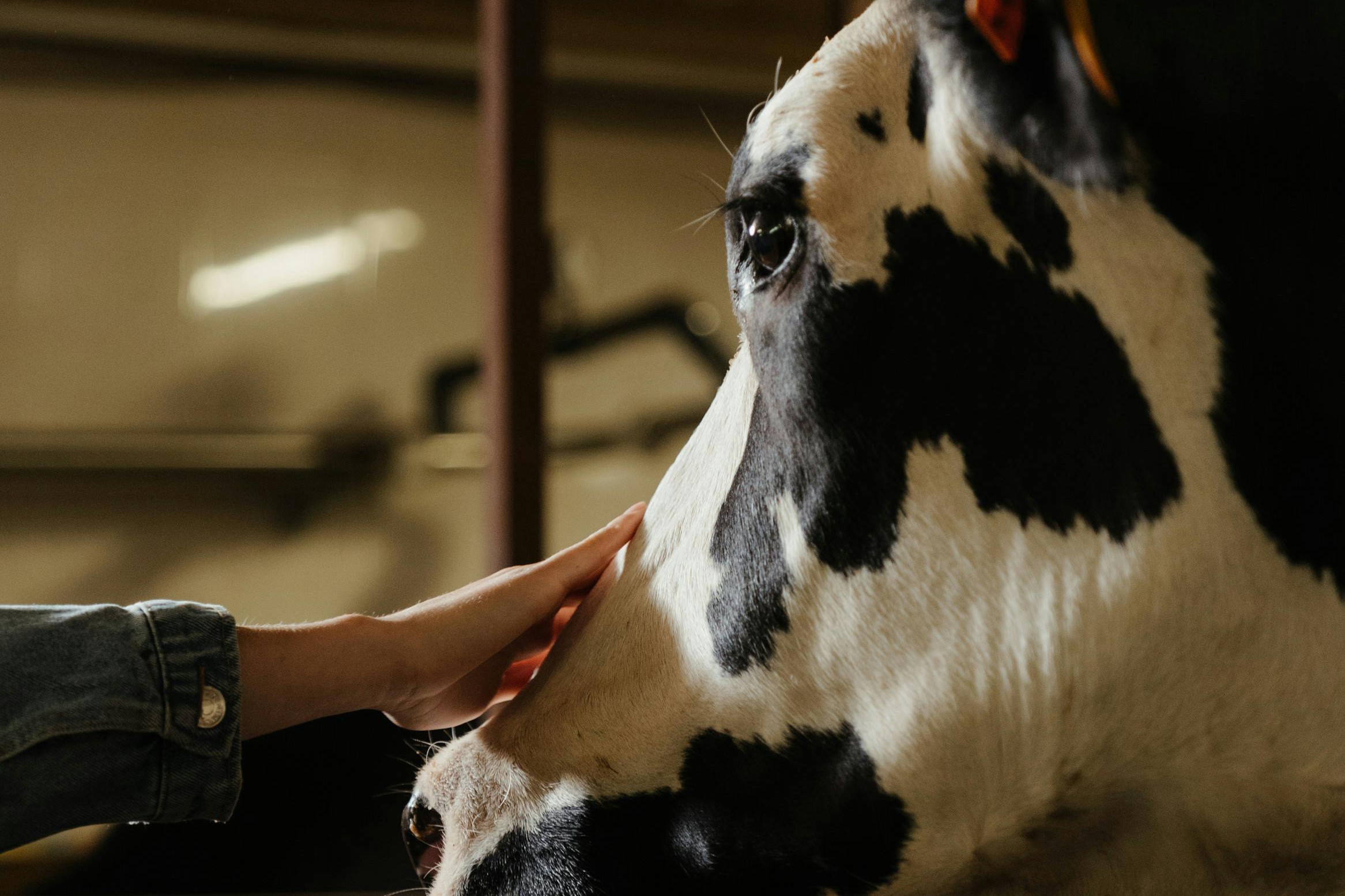
Maintaining a healthy dairy herd starts with good basics: clean housing, consistent feeding, calm milking routines, and prompt attention to health issues. This guide focuses on practical steps small farmers can take to keep cows productive and comfortable throughout the year.
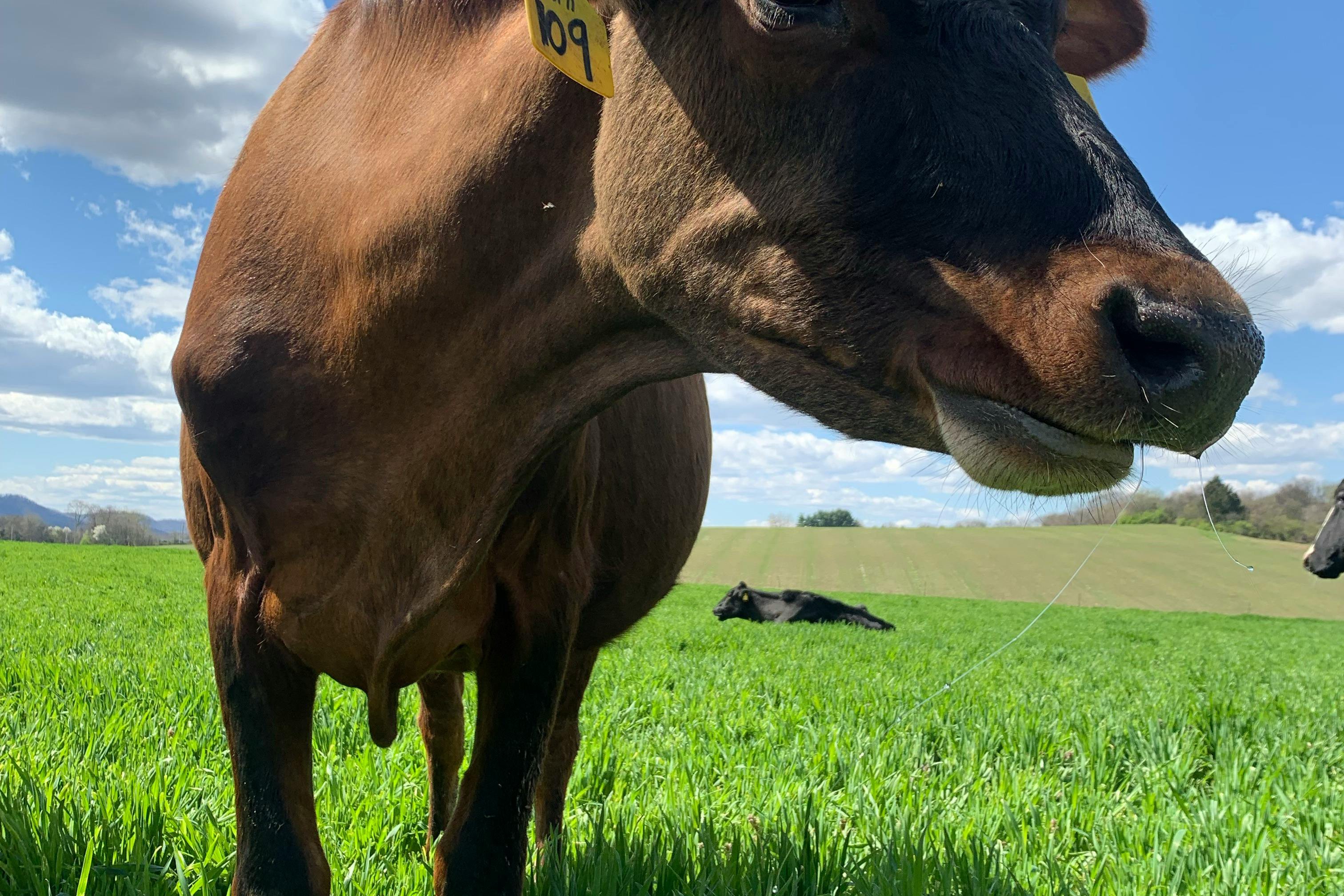
Housing and Comfort
A comfortable cow is a productive cow. Provide a dry, well-ventilated housing area with plenty of clean bedding. Good bedding can be straw, sawdust, sand, or other locally available materials; the key is to keep it dry and deep enough for cows to lie down and get up easily. Design stalls so cows can rest without pressure on joints—proper stall width and brisket boards or neck rails help prevent injuries.
Ventilation is crucial to reduce respiratory problems and lower humidity. In colder climates, protect cows from drafts while allowing fresh air exchange. In hot weather, focus on shade, fans, and water cooling to reduce heat stress which can drastically lower milk yield and fertility.
Feeding and Nutrition
Feed a balanced diet that meets cows’ energy, protein, vitamin, and mineral needs for their stage of lactation. For small herds, a TMR (total mixed ration) may be impractical—use a combination of quality forage (hay or silage), a concentrate mix as needed, and mineral supplements. Always provide constant access to clean, fresh water—milk production depends heavily on water intake.
- Assess body condition regularly: aim for a moderate score so cows are neither too thin nor over-conditioned.
- Adjust rations in early lactation to meet high energy demands; discuss with a nutrition advisor when possible.
- Keep feed clean and free of mold; mycotoxins can cause reduced intake and health problems.
Milking Routines
Consistent, calm milking routines help maximize yield and reduce mastitis risk. Train staff to follow the same sequence every time: clean and dry the udder, foremilk to check for abnormalities, attach milking equipment gently, and ensure complete milk-out. Clean and maintain milking equipment daily—poor hygiene is a common source of infection.
For hand-milking, maintain good posture and technique, and wash hands and teats before milking. For machine milking, observe cluster alignment and vacuum levels, and replace liners at recommended intervals.
Common Health Issues and Prevention
Regular observation and record-keeping help catch problems early. Common issues include:
- Mastitis: Watch for swollen udders, clots, or abnormal milk. Maintain udder hygiene, post-milking teat disinfection, and treat clinical cases promptly as advised by a vet.
- Lameness: Keep walkways clean and non-slip. Trim hooves on a schedule and address hoof injuries early. Lameness reduces intake and milk production quickly.
- Metabolic diseases: Conditions like ketosis and milk fever occur around calving. Proper pre- and post-calving nutrition, mineral balance, and monitoring can reduce incidence.
- Parasites and infectious diseases: Use targeted deworming, vaccination programs, and isolation of new animals to limit spread.
Calving and Youngstock Management
Provide a clean, quiet calving area and monitor cows nearing calving. Ensure calves receive timely colostrum (first milk) to establish immunity—aim for good-quality colostrum within the first few hours of life. Separate calves appropriately and follow feeding programs that support healthy growth and future productivity.
Record-Keeping and Herd Management
Keep simple records of milk yield, breeding dates, treatments, and health events. Records help identify trends—such as a repeating mastitis problem or declining yields—and inform decisions on nutrition, breeding, and culling. Small farmers benefit from keeping concise logs that are reviewed weekly or monthly.
Biosecurity and Routine Care
Limit visitors and isolate new arrivals for a period. Clean equipment between groups, control rodents, and implement vaccination and deworming schedules as recommended by local animal health authorities. Routine hoof trimming, vaccination, and dental checks (if relevant) should be part of a planned calendar.
Final Practical Tips
- Walk your herd daily; early detection of changes in appetite, behavior, or gait prevents bigger problems.
- Establish good relationships with a veterinarian and feed advisor. Their input pays off when facing disease or nutrition challenges.
- Prioritize cow comfort—bedding, shade, and gentle handling are simple investments with high returns.
Small-scale dairy farming is rewarding but demands consistent attention to basic animal needs. By focusing on clean housing, balanced nutrition, calm milking routines, and prompt health care, small farmers can maintain healthy, productive herds and improve profitability over time.



Very helpful overview — the section on bedding made me rethink our stall setup. Thanks for the practical tips!
Great reminder about colostrum timing. We had one calf suffer due to delayed feeding; this guide would have helped.
Could you share a sample vaccination schedule for small herds in temperate climates? That would be a useful follow-up.
Good clear advice. I especially agree with walking the herd daily — spot problems sooner that way.